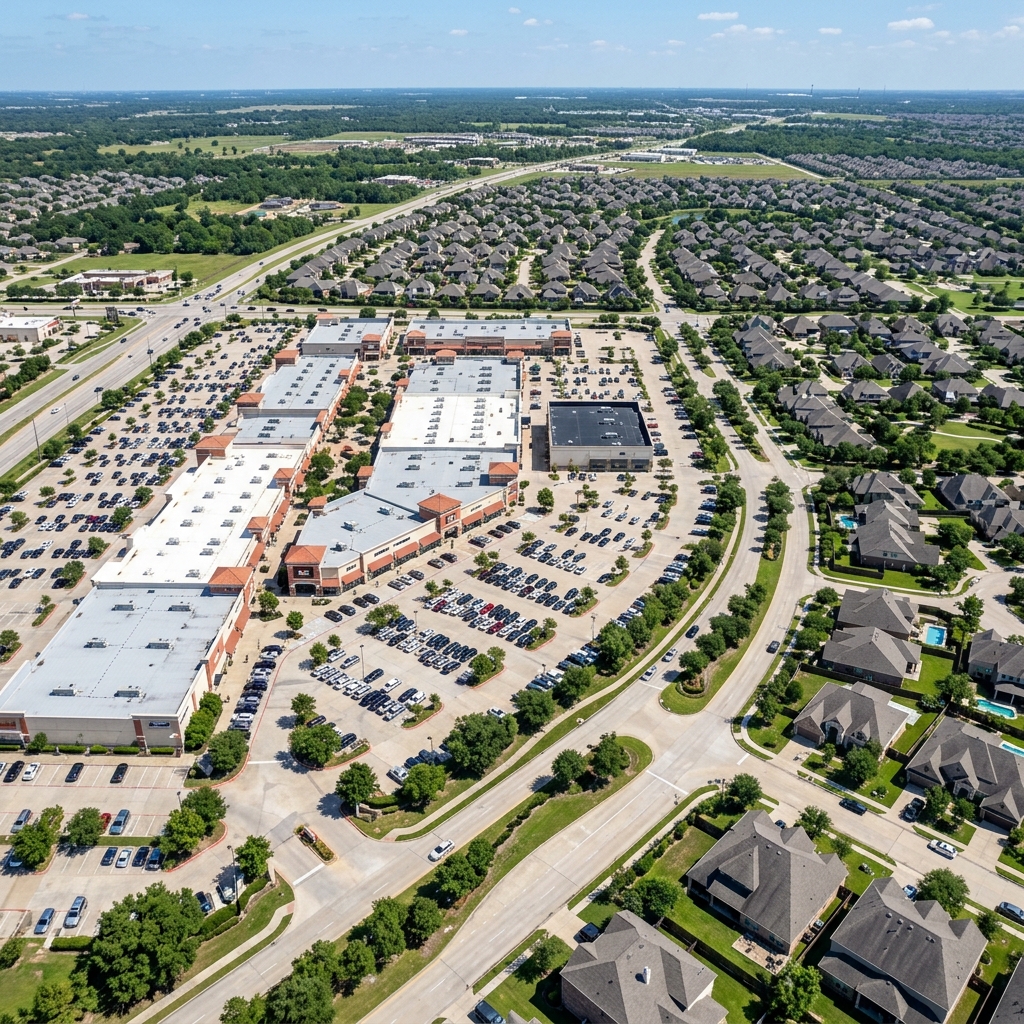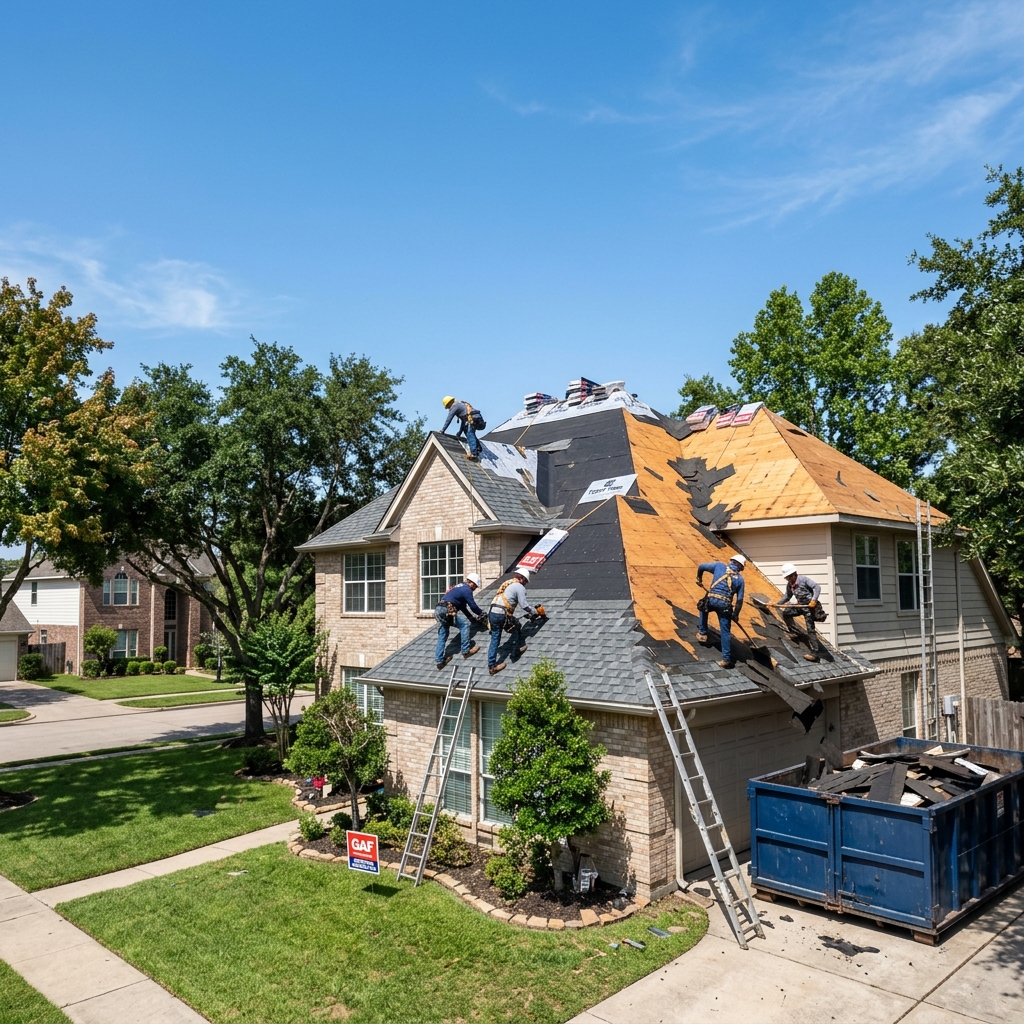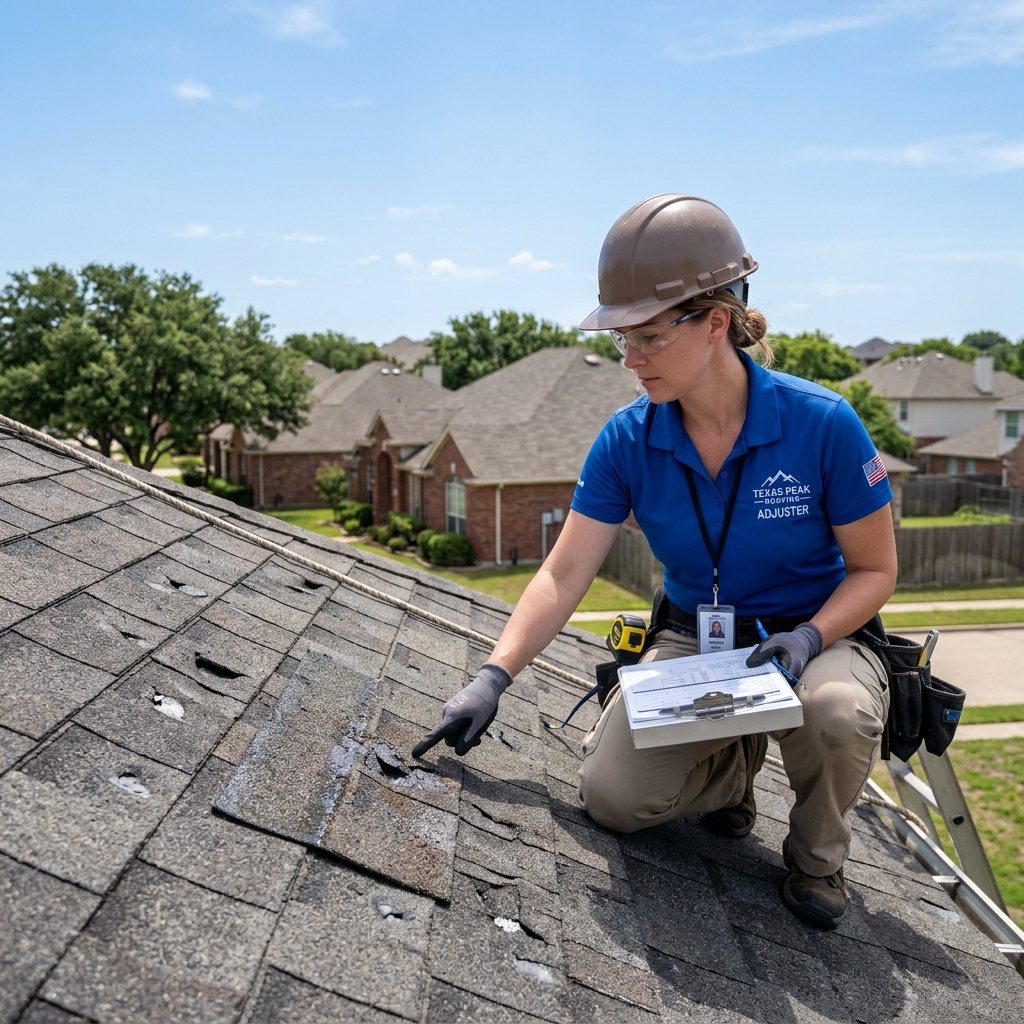

Commercial roofing in Cypress is a different game than residential work. The roof systems are different, the stakes are higher, and the consequences of failure affect not just a homeowner's comfort but a business owner's revenue, inventory, and employees. Whether you own a retail space along Highway 290, a warehouse in the Cypress industrial corridor, or a medical office near Cy-Fair Hospital, your roof needs a strategic approach.
The most effective commercial roofing strategy for Cypress businesses combines the right membrane system for your building type, quarterly maintenance inspections, proper drainage management, and energy-efficient reflective surfaces that reduce cooling costs by 15-30% during Texas summers.
Unique Challenges for Cypress Commercial Roofs
Commercial roofs in Cypress face all the same weather threats as residential — hail, wind, UV degradation, torrential rain — but with added complications. Most commercial buildings have flat or low-slope roofs, which means water doesn't shed naturally. Ponding water is the number one cause of commercial roof failure in our area.
Texas heat adds another layer. A flat commercial roof in Cypress can reach surface temperatures of 170°F on a summer afternoon. That thermal stress cycles daily, expanding and contracting membrane materials and weakening seams over time. Roofs without reflective surfaces force HVAC systems to work overtime, driving up operational costs significantly.
Commercial Roofing Materials Compared
- TPO (Thermoplastic Polyolefin): The most popular choice for Cypress commercial properties. Heat-welded seams create a watertight bond stronger than the membrane itself. Reflective white surface reduces cooling costs. Lifespan: 20-30 years.
- EPDM Rubber: Proven performer for decades. Less expensive than TPO but doesn't offer the energy efficiency of reflective membranes. Works well for buildings where cooling costs aren't the primary concern. Lifespan: 20-25 years.
- Modified Bitumen: Multi-layer system with excellent waterproofing. Common on older Cypress commercial buildings. Good for complex roof shapes and areas with heavy foot traffic from HVAC units. Lifespan: 15-20 years.
- Standing Seam Metal: Premium option for commercial buildings that want maximum lifespan and minimal maintenance. Handles Texas storms exceptionally well. Higher upfront cost but lowest lifetime cost of ownership. Lifespan: 40-60+ years.
- Spray Polyurethane Foam (SPF): Applied directly over existing roofing in many cases, eliminating tear-off costs. Creates a seamless, insulating surface. Excellent for irregularly shaped roofs with many penetrations. Lifespan: 20-30 years with proper recoating.
Maintenance Best Practices
A commercial roof maintenance plan isn't optional in Cypress — it's essential. Our recommended schedule:
- Quarterly inspections: Check drainage, membrane condition, flashing integrity, and sealant joints.
- Post-storm inspections: After any significant hail or wind event, inspect immediately for damage.
- Annual deep cleaning: Clear all drainage systems, remove debris, and pressure-wash if appropriate for your membrane type.
- Sealant replacement: Caulk and sealant around penetrations degrades faster in Texas heat. Plan for resealing every 3-5 years.
- HVAC unit inspection: Rooftop units are common access points for leaks. Check curb flashing and condensate drainage annually.
Create a roof maintenance budget line item in your annual operating expenses. Plan for $0.10-$0.25 per square foot per year for routine maintenance. This investment typically prevents 10x that amount in emergency repairs and extends your roof's lifespan by 5-10 years.
Energy Savings with Cool Roof Systems
In Cypress, where cooling costs dominate energy bills from May through October, a reflective cool roof system can reduce HVAC expenses by 15-30%. White TPO and coated metal roofing reflect up to 90% of solar radiation compared to traditional dark-colored roofing that absorbs it.
For a 10,000 sq ft commercial building, this can translate to $3,000-$8,000 in annual cooling savings. Over a 20-year roof lifespan, the energy savings alone can pay for a significant portion of the roofing investment.