
Cypress Creek runs through the heart of our community, and anyone who's lived here long enough knows the flooding risk is real. Tax Day floods, Hurricane Harvey, and seasonal thunderstorms have all pushed the creek beyond its banks. Most homeowners focus on ground-level water damage after flooding, but the damage to your roof system can be just as serious — and a lot easier to miss.
Flooding events near Cypress Creek can damage roof decking through rising moisture, compromise attic insulation, promote mold growth in roof structures, and weaken flashing seals. A professional roof inspection after any flood event is critical to catching hidden damage early.
How Rising Water Damages Your Roof from Below
When floodwater enters your home, it doesn't just soak the floors. Moisture rises. It saturates wall cavities, reaches the attic, and gets absorbed into roof decking from underneath. Plywood and OSB sheathing that stays wet for more than 48 hours begins to delaminate and weaken structurally.
We've inspected homes in the Lakewood Forest and Cypress Creek Estates neighborhoods where the decking looked fine from the outside, but the underside was black with mold and soft to the touch. That decking can't hold nails properly anymore, which means your shingles aren't secured the way they should be for the next windstorm.
Attic Insulation and Ventilation Problems
Floodwater that reaches your attic destroys insulation. Fiberglass batts that absorb water compress and lose all insulating value. Wet insulation pressed against roof decking creates a moisture trap that accelerates rot and mold growth. Your attic ventilation system — ridge vents, soffit vents, and gable vents — can also get clogged with debris carried in by rising water.
Poor ventilation after flooding means trapped humidity in your attic. During Texas summers, attic temperatures already hit 140-160°F. Add trapped moisture to that equation, and you're looking at accelerated shingle deterioration from the inside out.
When Flooding Combines with Storm Damage
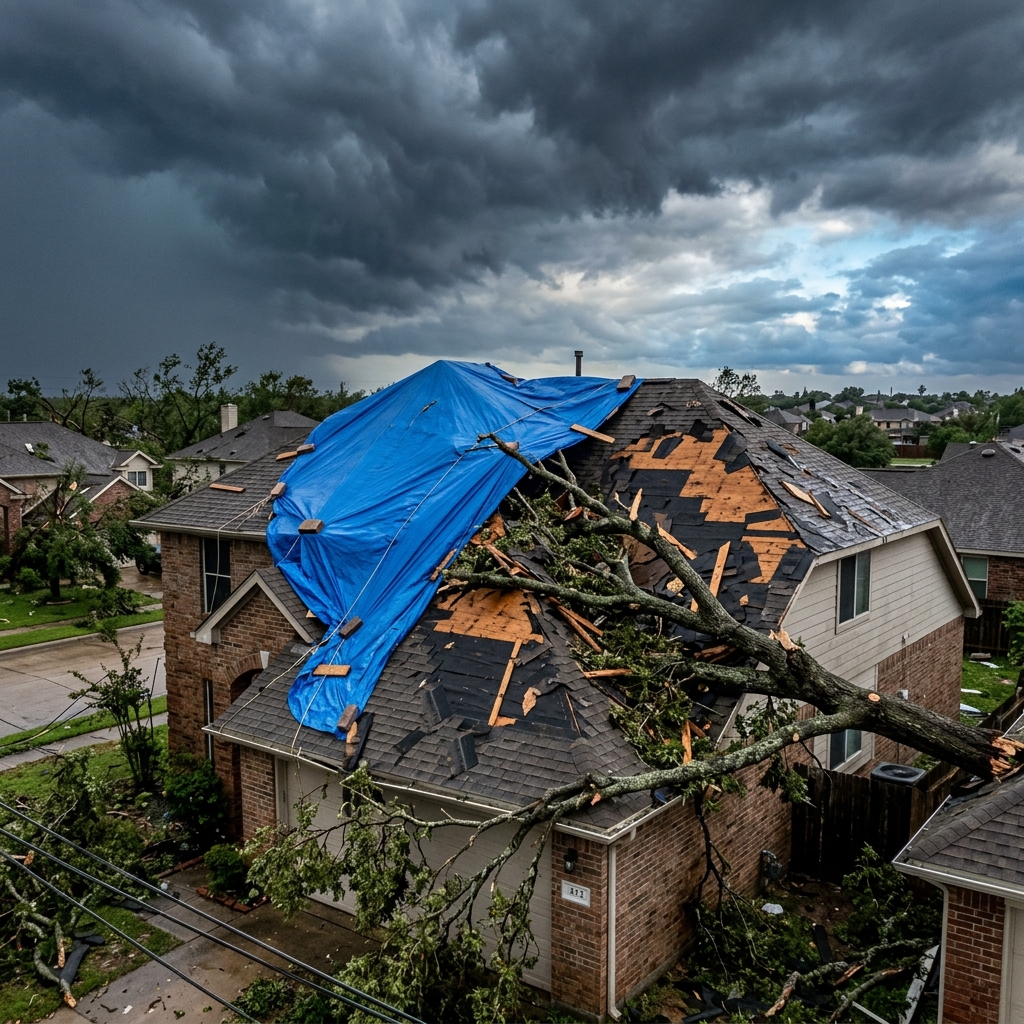
The worst-case scenario — and one we see regularly in Cypress — is when flooding and wind damage happen simultaneously. A major storm system hits with heavy rain and sustained winds. The creek floods while your roof takes hail and wind damage. Now you've got water entering from above through storm-damaged areas while moisture pushes up from below through flooded structures.
Homes along Cypress Creek between Fry Road and Barker Cypress are particularly vulnerable to this combination. The same storms that cause creek flooding often carry hail large enough to crack shingles and damage roof flashing.
After any flooding event near Cypress Creek, schedule a professional roof inspection within two weeks. Hidden moisture damage gets exponentially worse with time, especially during warm months.
Warning Signs of Flood-Related Roof Damage
- Musty smell in the attic: Even weeks after floodwater recedes, trapped moisture creates a distinctive odor that indicates mold colonization.
- Stained or sagging ceiling drywall: Water trapped between the roof structure and ceiling will eventually show through.
- Shingles that feel soft or spongy: This indicates the decking underneath has been compromised by moisture.
- Increased energy bills: Destroyed insulation and poor ventilation force your HVAC to work overtime.
- Visible mold on attic surfaces: Check rafters, decking underside, and any exposed wood in the attic space.
What to Do After Cypress Creek Floods
- Document everything: Take photos of water lines on walls and any visible damage before cleanup begins. Your insurance company needs this evidence.
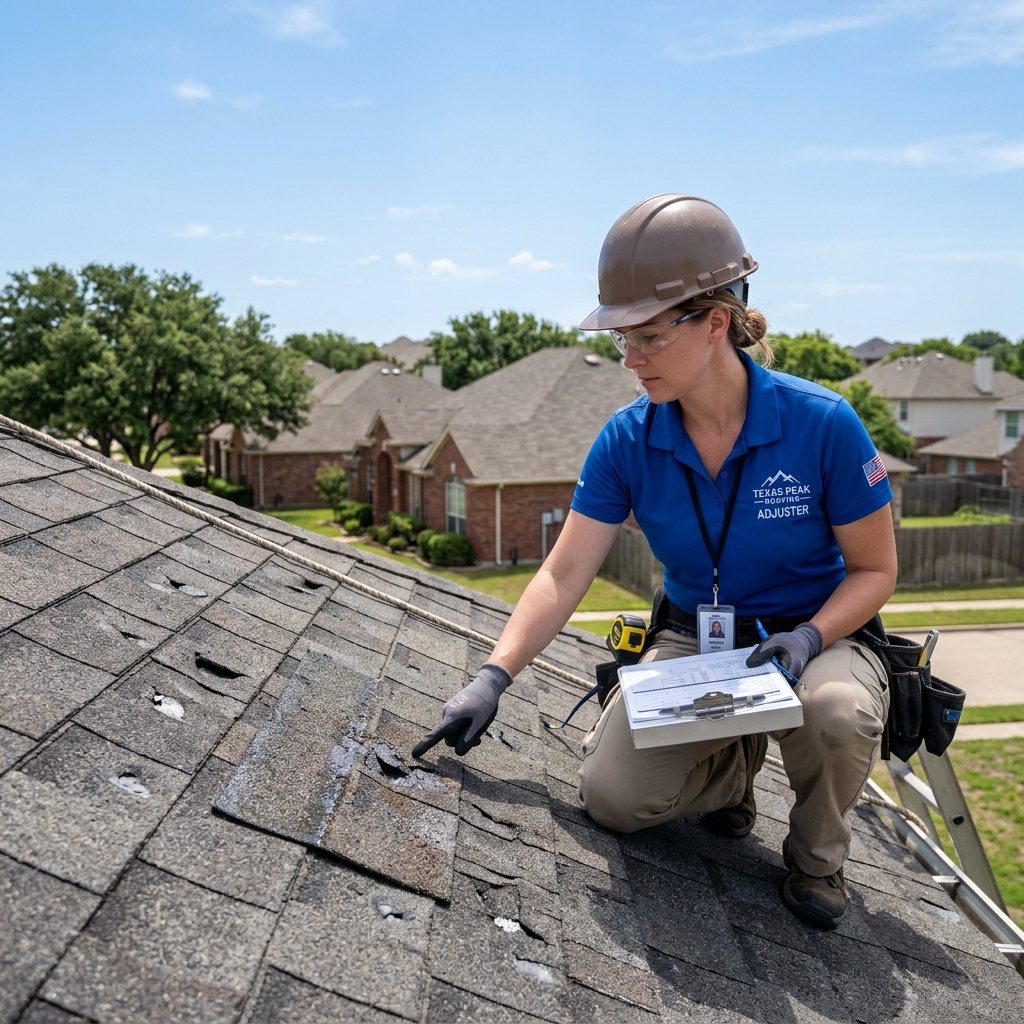
- Get a professional roof inspection: Don't just look at the exterior. An experienced Cypress roofing company will inspect the attic side for moisture damage, mold, and decking integrity.
- File your insurance claim promptly: Most homeowner policies have time limits for filing flood-related claims. Our team helps with the documentation and adjuster process.
- Address ventilation immediately: Restore proper airflow through your attic to begin drying out trapped moisture.
- Replace damaged insulation: Wet insulation doesn't recover. It needs to be removed and replaced to prevent ongoing mold growth.
"After the 2024 spring flooding near Cypress Creek, we inspected 40+ homes in the Cypress Creek Estates area. Nearly 70% had some level of hidden roof damage that the homeowner wasn't aware of — mostly saturated decking and mold on rafter surfaces."