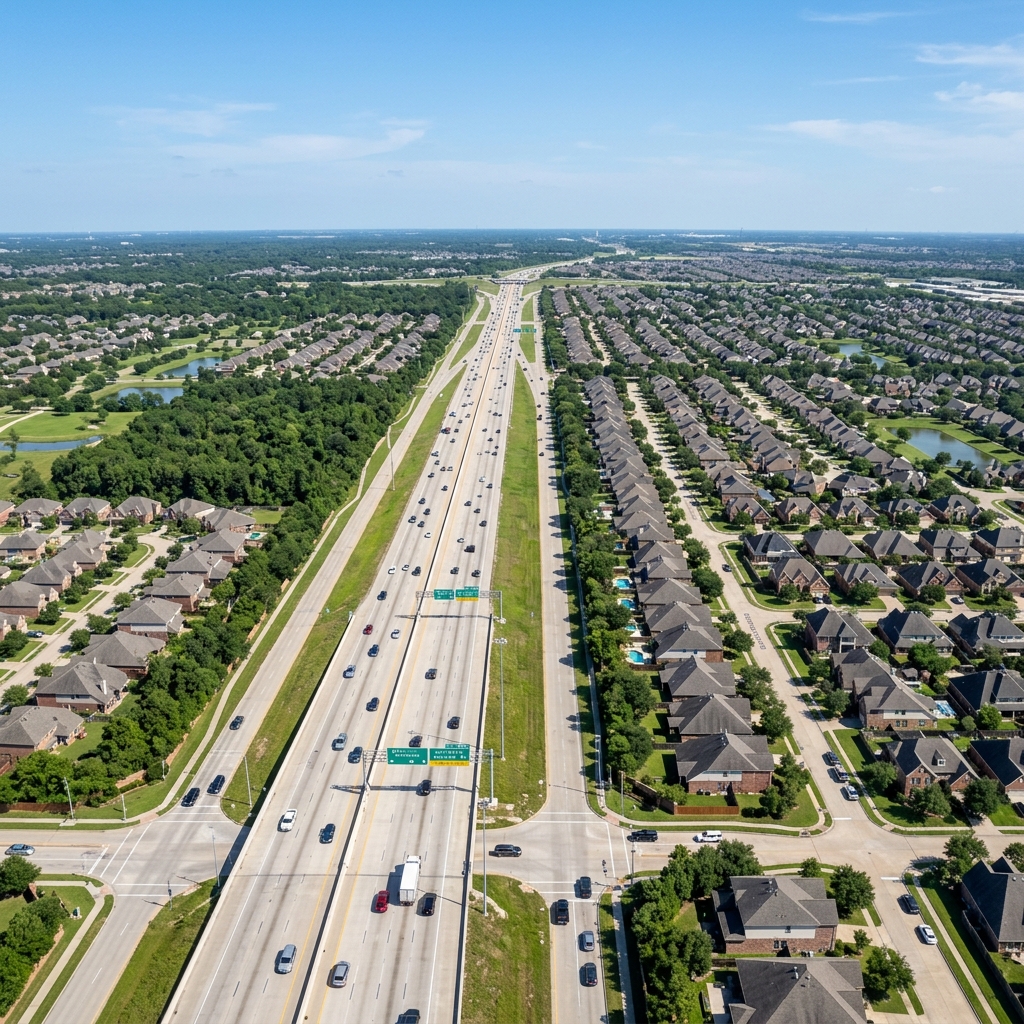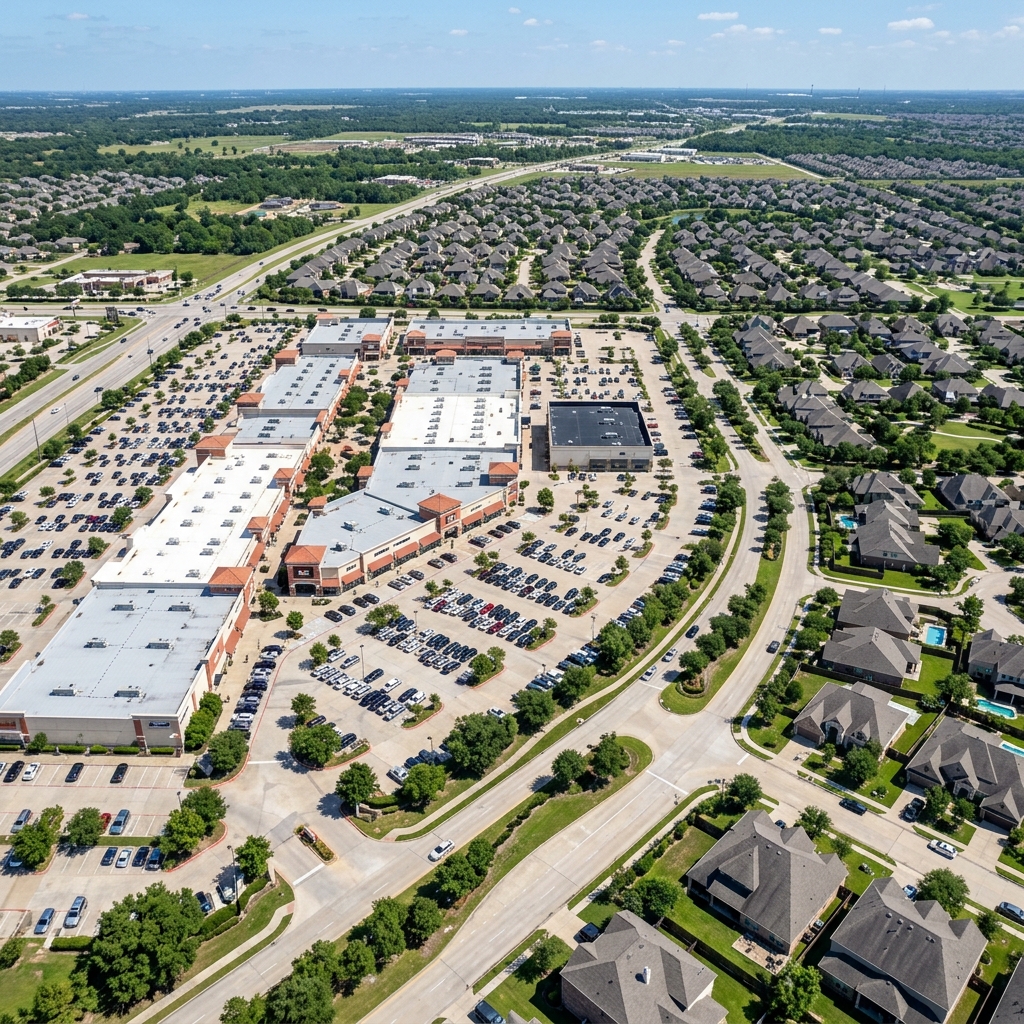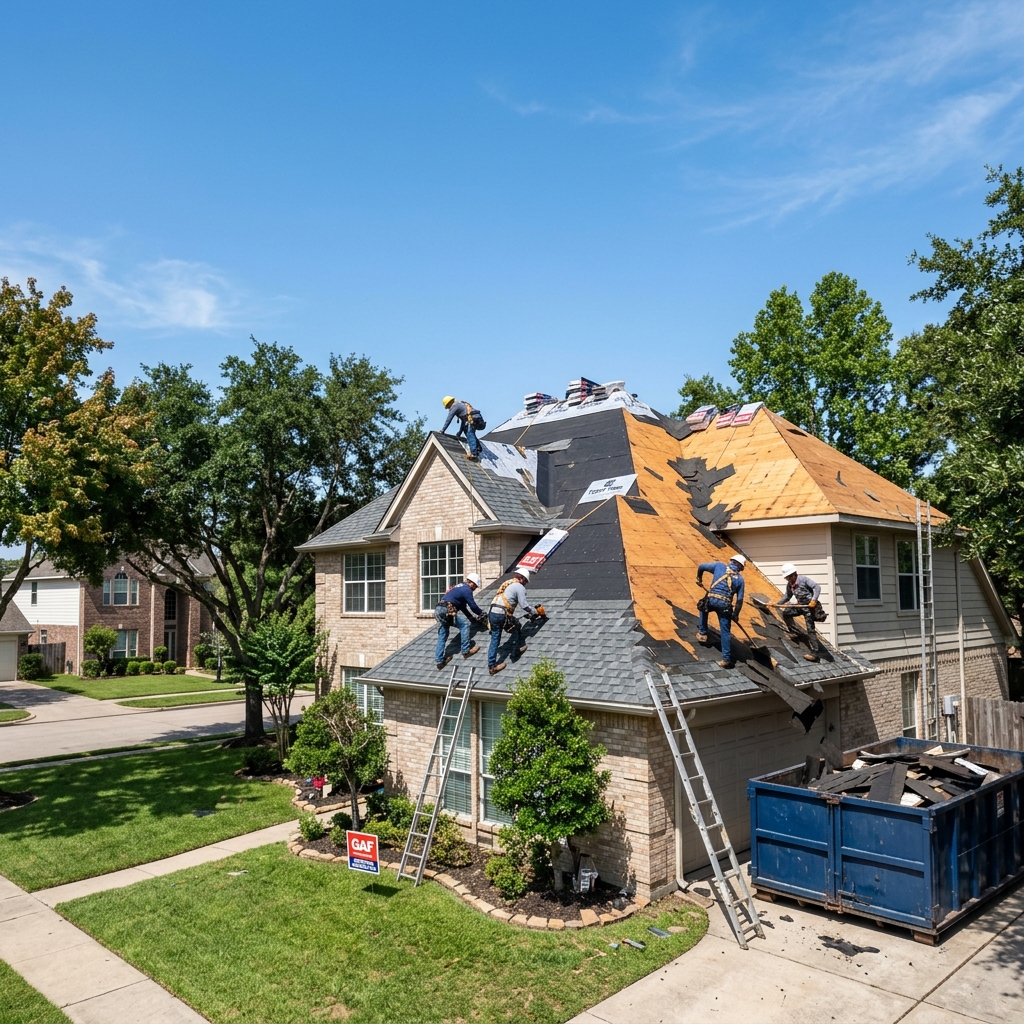

People often lump Cypress and Katy together as one big suburban area northwest of Houston. And while they share similar weather — the same hailstorms, the same hurricane threats, the same brutal summer heat — the roofing needs in each community have meaningful differences that affect material choice, maintenance schedules, and long-term costs.
Cypress homes face greater flooding risk near Cypress Creek and tend to have stricter HOA requirements. Katy homes deal with expansive clay soil that causes more foundation movement, which stresses roof structures differently. Both communities benefit from wind-rated materials, but the specific approach should vary.
Soil Conditions and Drainage Impact
Katy sits on highly expansive clay soil that swells when wet and contracts when dry. This seasonal expansion and contraction causes foundation movement that transfers stress throughout the home's framing — including the roof structure. Homes in Katy neighborhoods like Cinco Ranch and Cross Creek Ranch commonly develop cracked mortar joints where the roofline meets the walls, which creates entry points for water.
Cypress has more varied soil composition. While clay is still present, many neighborhoods — particularly those developed in the Bridgeland and Towne Lake areas — were built with improved drainage infrastructure and engineered soil beds. However, homes closer to Cypress Creek face flood plain challenges that Katy homes generally don't.
HOA Rules and Building Code Differences
Cypress master-planned communities like Bridgeland have some of the strictest architectural review requirements in the Houston metro area. Specific shingle profiles, color palettes, and sometimes even manufacturer requirements are dictated by the HOA. Failing to get pre-approval before a roof replacement can result in forced re-roofing at your own expense.
Katy HOAs tend to be slightly more flexible on material specifications but can be strict on timelines. Several Katy communities require roof maintenance within specific windows and penalize visible deterioration that lowers property values.
- Cypress/Bridgeland: Typically requires architectural shingles in approved color ranges. Some sections mandate specific brands.
- Cypress/Fairfield: Similar color restrictions with more flexibility on manufacturer choice.
- Katy/Cinco Ranch: Shingle profile requirements with broader color options. Tile roofing common in premium sections.
- Katy/Cross Creek: Modern community with updated guidelines allowing more material variety including metal roofing accents.
Flood Zone Considerations
Cypress Creek and its tributaries create flood risk that parts of Katy simply don't have. Cypress homes in or near the 100-year floodplain need to consider how flood events affect their roof structure from below — saturated decking, mold-prone attic environments, and compromised insulation.
Katy's flooding concerns center more around the Barker and Addicks reservoirs. When those reservoirs release controlled flows — as happened during Hurricane Harvey — the flooding pattern is different from creek flooding. It tends to be slower rising and longer lasting, which means extended moisture exposure to foundations and lower wall sections rather than the rapid attic-reaching surges that Cypress Creek flooding produces.
Before replacing your roof in either community, check with your HOA architectural review committee AND your local building jurisdiction. Getting both approvals before starting work prevents expensive surprises. Your roofing contractor should handle this process for you.
Material Recommendations by Area
Based on our experience working in both communities, here's what performs best:
- Cypress near creek: Standing seam metal or impact-resistant architectural shingles. The combination of wind exposure, flooding risk, and storm frequency justifies the premium.
- Cypress master-planned (Bridgeland, Towne Lake): GAF Timberline HDZ or CertainTeed Landmark Pro in HOA-approved colors. These meet architectural requirements while providing strong wind and impact ratings.
- Katy on clay soil: Lighter-weight roofing materials are preferable. Heavy tile roofing on a home with foundation movement issues can accelerate structural problems. Architectural shingles offer excellent protection without excess weight.
- Katy premium sections: Where HOAs allow it, synthetic slate or stone-coated steel provides the premium look of tile without the weight and foundation concerns.