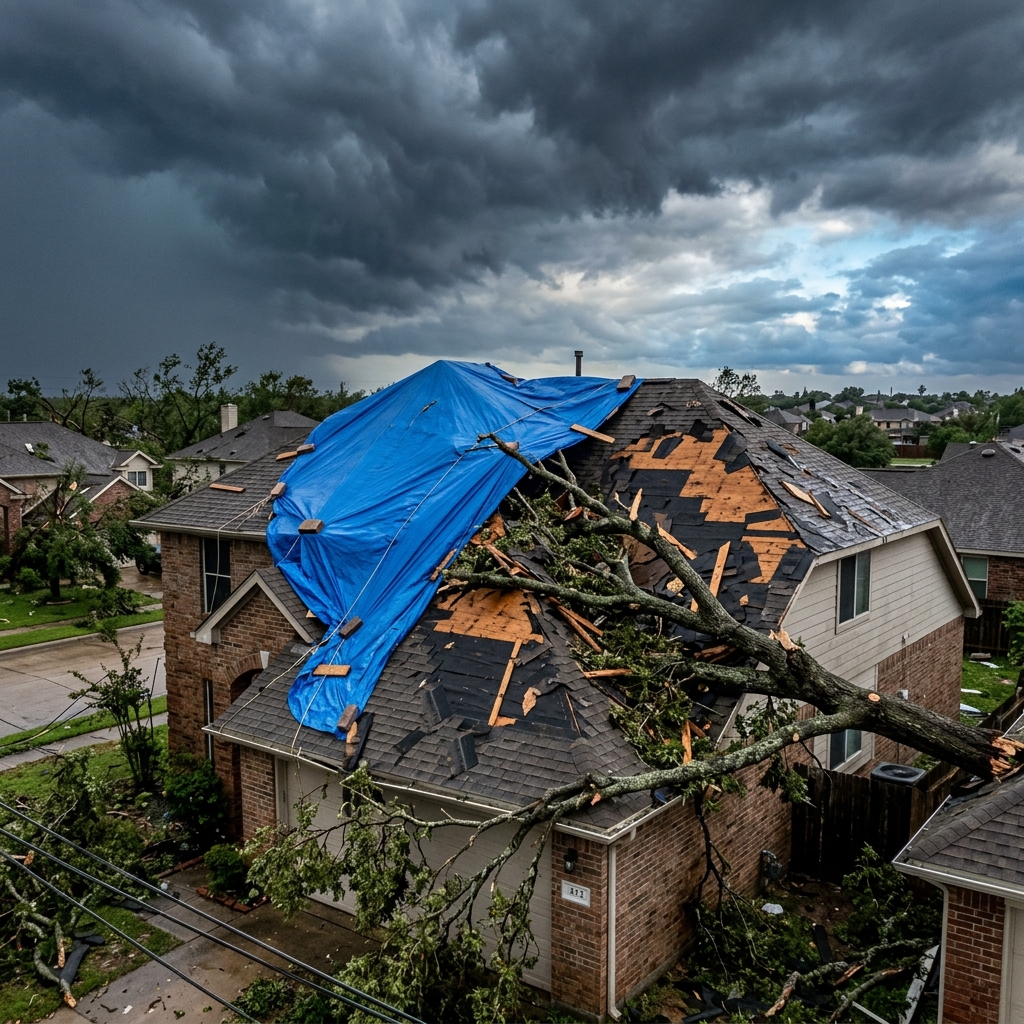

Texas weather doesn't give polite warnings. A clear morning sky can produce tennis-ball hail by afternoon. Gulf moisture fuels thunderstorm complexes that spawn straight-line winds exceeding 80 mph. And hurricane season brings sustained threats that can affect your roof for days rather than minutes. For homeowners across Cypress, Katy, Tomball, and Spring, having an emergency roof repair strategy before the storm hits is not optional — it's essential.
The best emergency roof repair strategy starts before the storm: know your roof's current condition, have a trusted roofer's contact saved, understand your insurance policy, and keep emergency supplies (tarps, plywood, battery-powered tools) accessible. Post-storm, prioritize stopping water intrusion, then document everything before permanent repairs begin.
Understanding Texas Storm Threats to Your Roof
Different storm types create different kinds of damage, and each requires a specific response:
- Hail: Cracks shingles, dislodges granules, dents metal flashing. Damage may not cause immediate leaks but dramatically shortens roof lifespan. Most common in spring across the Houston metro area.
- Straight-line winds: Lifts and tears shingles, especially along edges and ridges. Can remove entire sections of roofing and expose the decking to water. Common during severe thunderstorm events year-round.
- Tornadoes: Localized but devastating. Can remove the entire roof structure. Harris County averages 2-4 tornado events per year, mostly during spring.
- Hurricane/tropical storm: Sustained wind and prolonged heavy rain. The combination of wind damage and days of rain is the most destructive scenario for roofs.
- Fallen trees/debris: Large limbs or entire trees impacting the roof create structural damage that requires immediate professional response.
Pre-Storm Preparation Checklist
Do this before hurricane season starts in June — not when the storm is already tracking toward the Gulf:
- Get a professional roof inspection: Know your roof's current condition. Fix any existing issues before storm season compounds them.
- Trim overhanging branches: Dead or weak limbs within falling distance of your roof should be removed. This is the single most preventable cause of storm roof damage.
- Clean gutters and downspouts: Clogged drainage systems cause water backup that damages fascia and allows water under the roof edge during heavy rain.
- Check attic ventilation: Proper ventilation reduces wind uplift forces on your roof during storms. Blocked vents increase the pressure differential that lifts shingles.
- Review your insurance policy: Know your deductible, understand your coverage limits, and confirm your policy includes wind and hail coverage.
- Save your roofer's number: When a storm hits, every homeowner in the area is calling roofers simultaneously. Existing relationships get priority response.
During the Storm
Once the storm starts, your safety is the only priority. Do not go on the roof. Do not attempt repairs during active weather. If you hear impact on your roof or see water entering your home:
- Move valuables away from the affected area
- Place buckets or containers under active leaks
- If water is pooling on a ceiling, poke a small drain hole to prevent full ceiling collapse
- Document what's happening with video from a safe location
- Stay away from exterior walls if you hear structural creaking or see the ceiling bowing
Keep a storm emergency kit in your garage: two heavy-duty tarps (at least 20x30 ft), a battery-powered drill with screws, several 2x4 boards, a headlamp, and thick work gloves. If you're comfortable and it's safe after the storm passes, you can temporarily protect a damaged area while waiting for professional help.
After-Storm Action Plan
- Safety first: Check for downed power lines near your home. Do not approach or touch them. Report to CenterPoint Energy immediately.
- Exterior assessment from ground level: Walk your property and look for missing shingles, damaged flashing, fallen debris, and gutter damage. Do not climb on the roof.
- Document everything: Photos and video of all visible damage — exterior and interior. Timestamp everything. This is your insurance evidence.
- Call your roofer: Request emergency tarping for any exposed areas. A local Cypress roofing company can typically respond within hours.
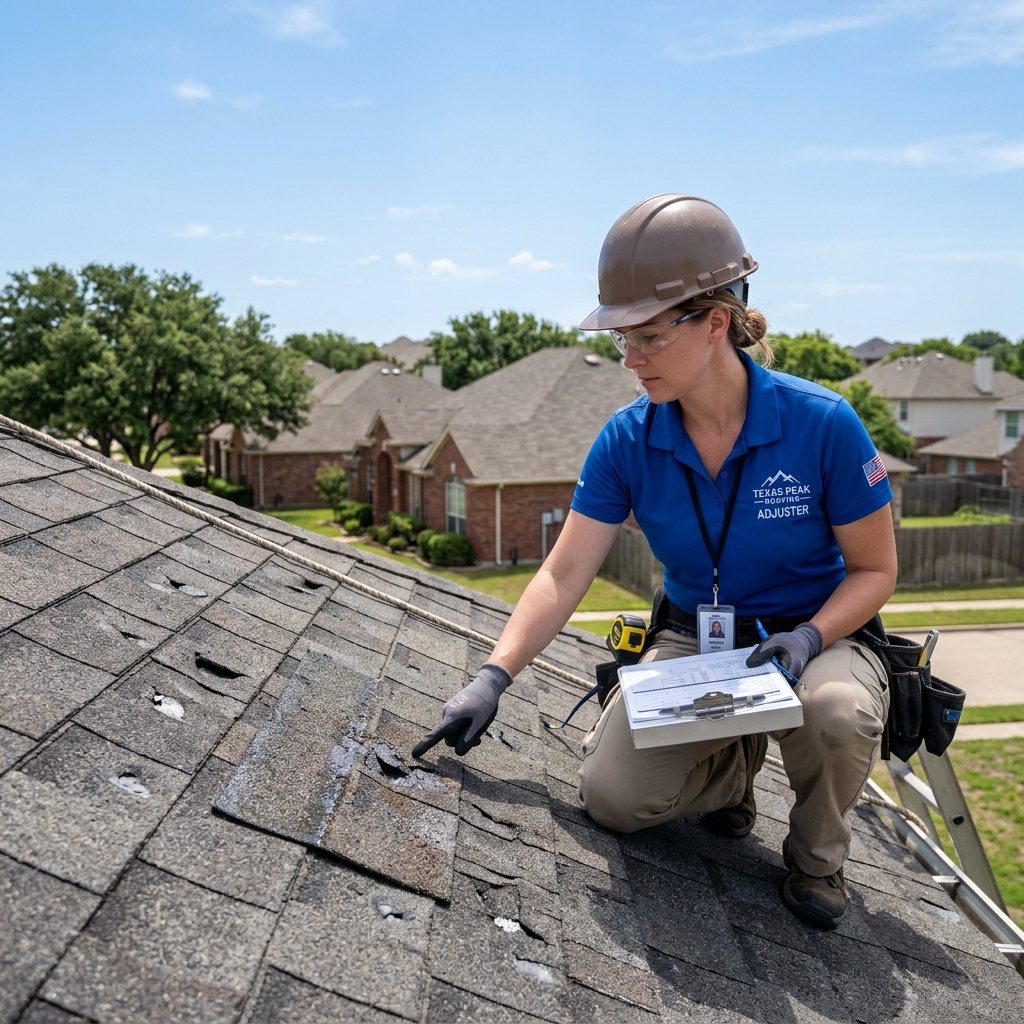
- File your insurance claim: Contact your insurance company within 48 hours. Provide your initial documentation and request an adjuster visit.
- Get a professional inspection: Before permanent repairs, have your roofer do a thorough inspection. Storm damage isn't always visible from the ground.